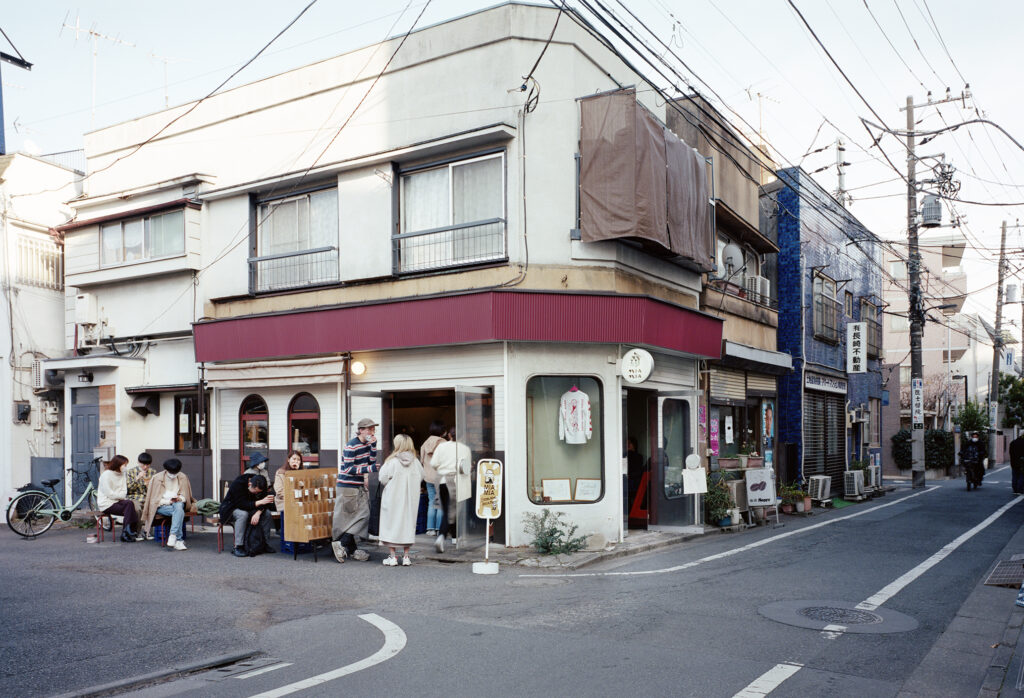
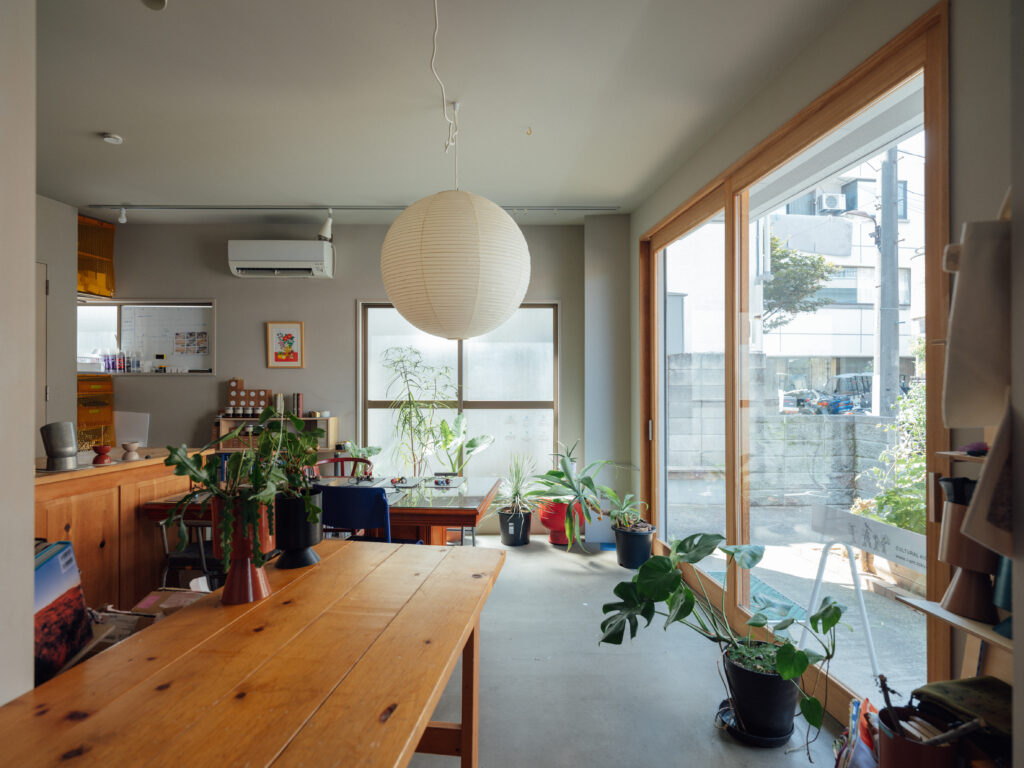
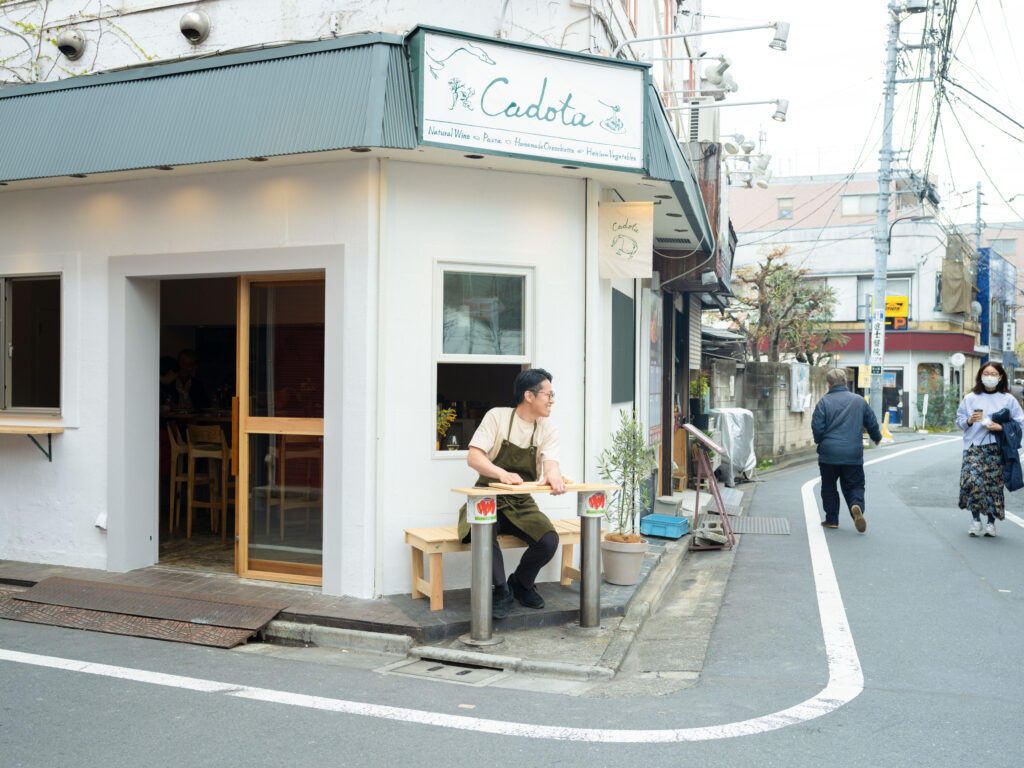
企画宿設計監理飲食店
MIAMIA kuramae
日常の技術を編みなおす、町にひらかれた小さな宿とコーヒーショップ
Reweaving Everyday Techniques into an Open House of a Guestroom and Coffee Shop
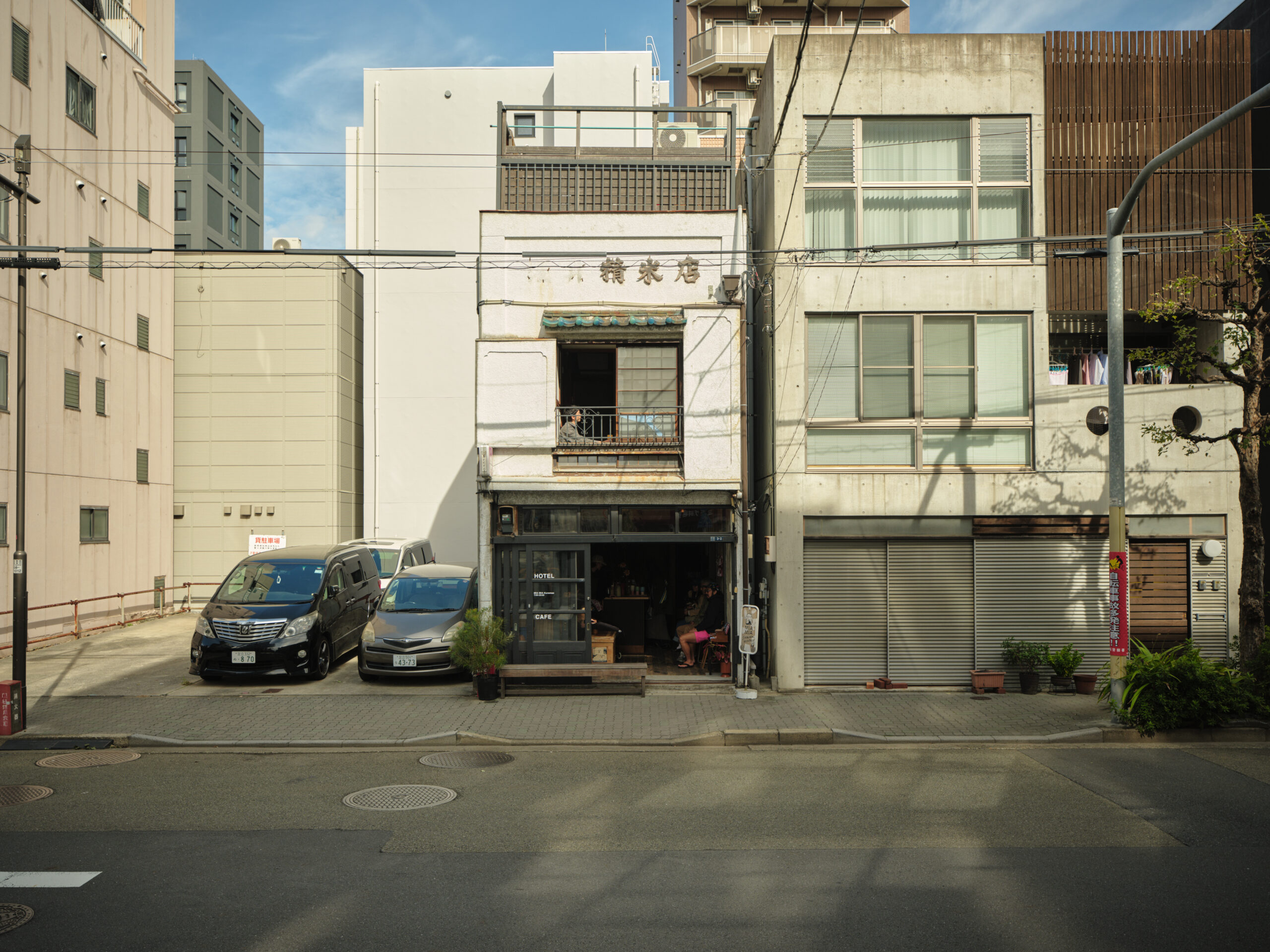
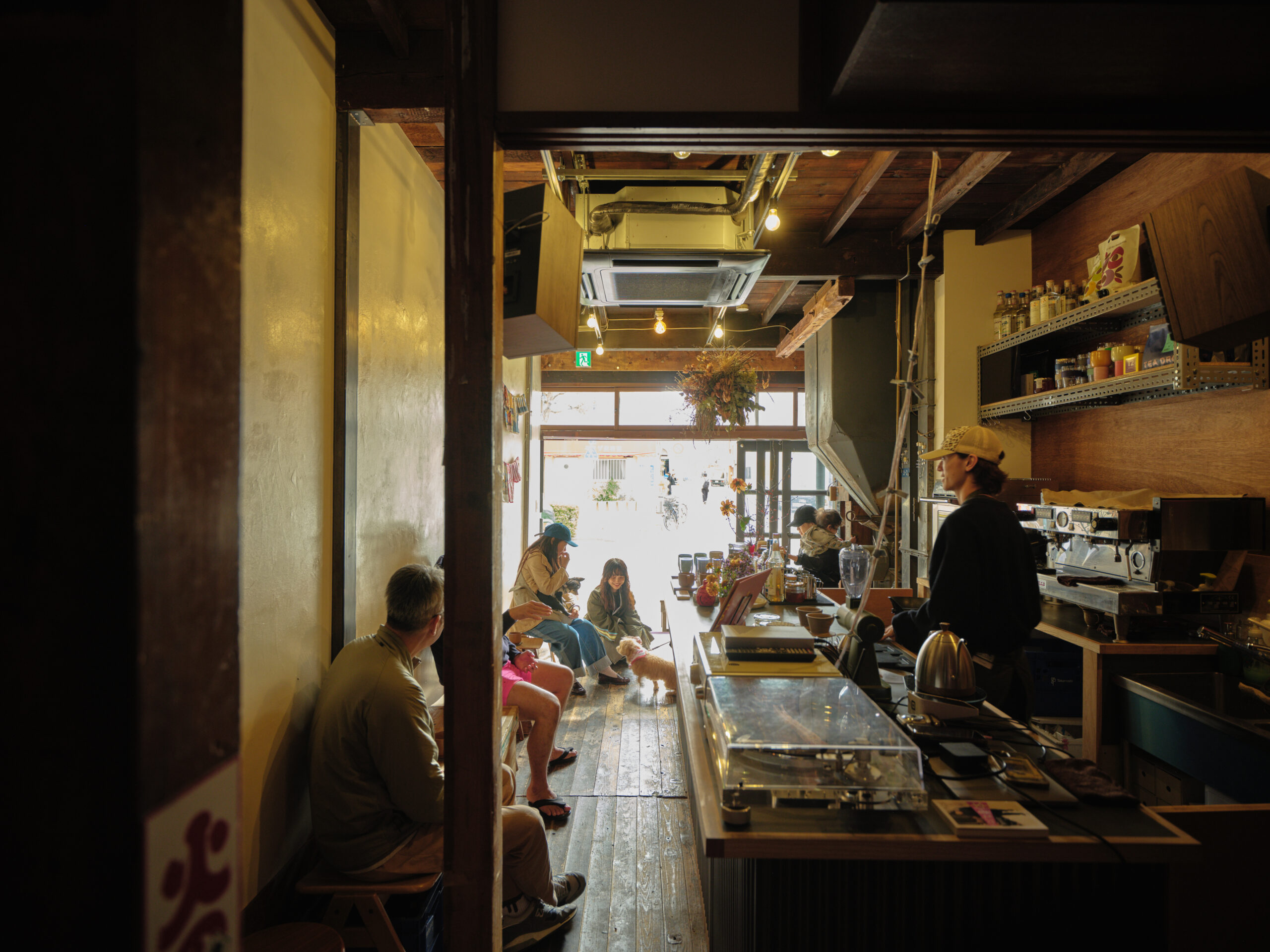
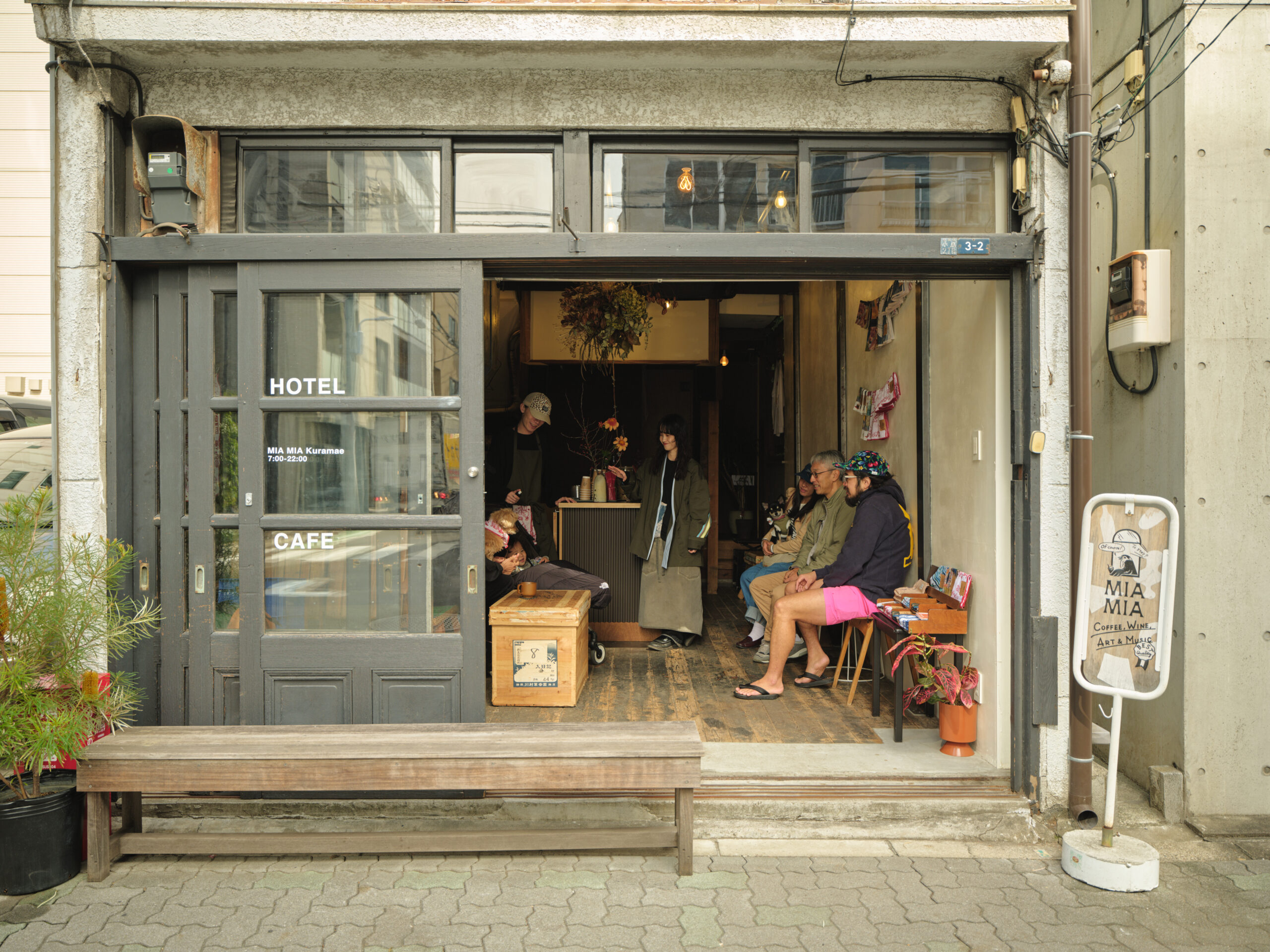
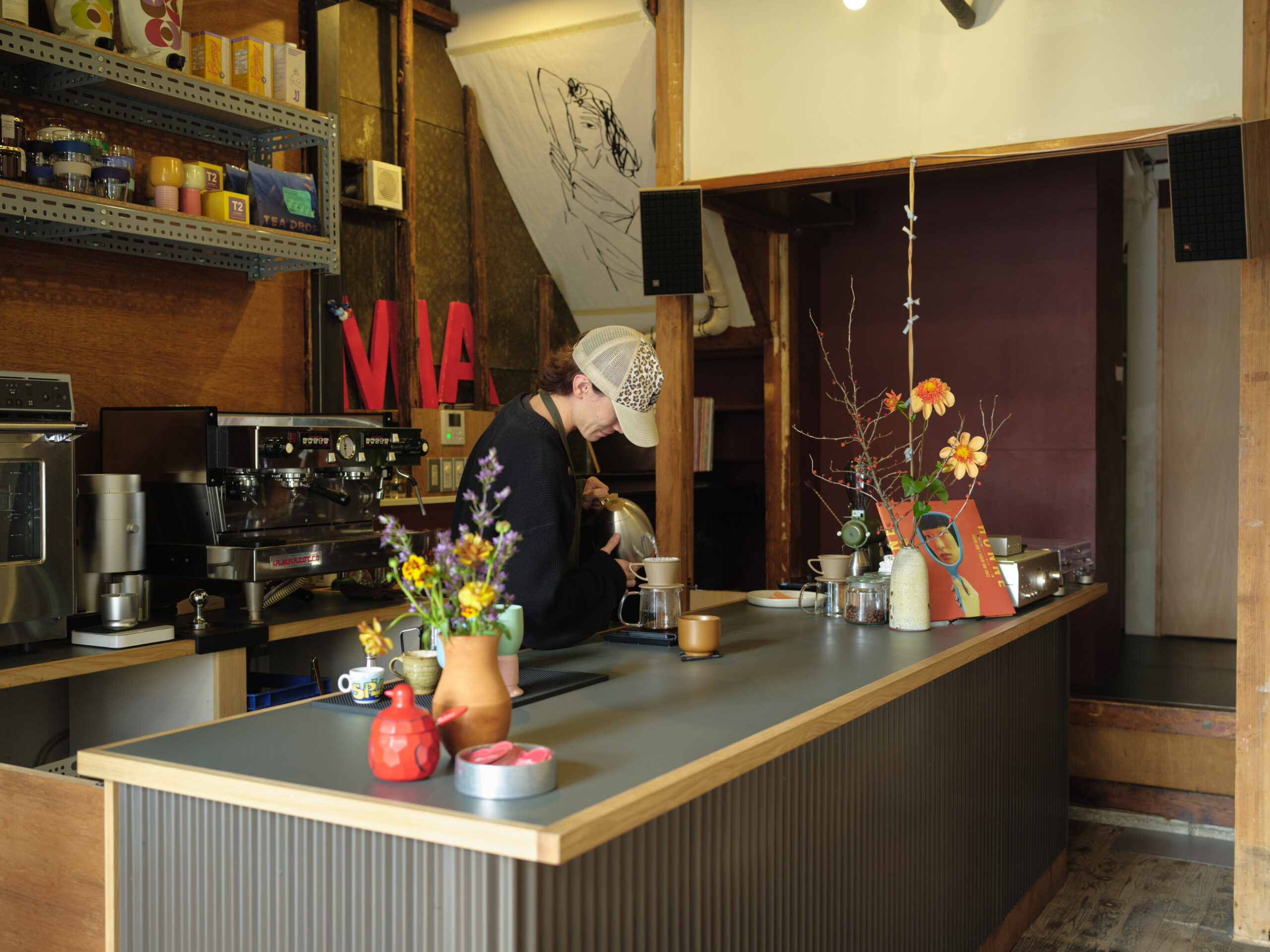
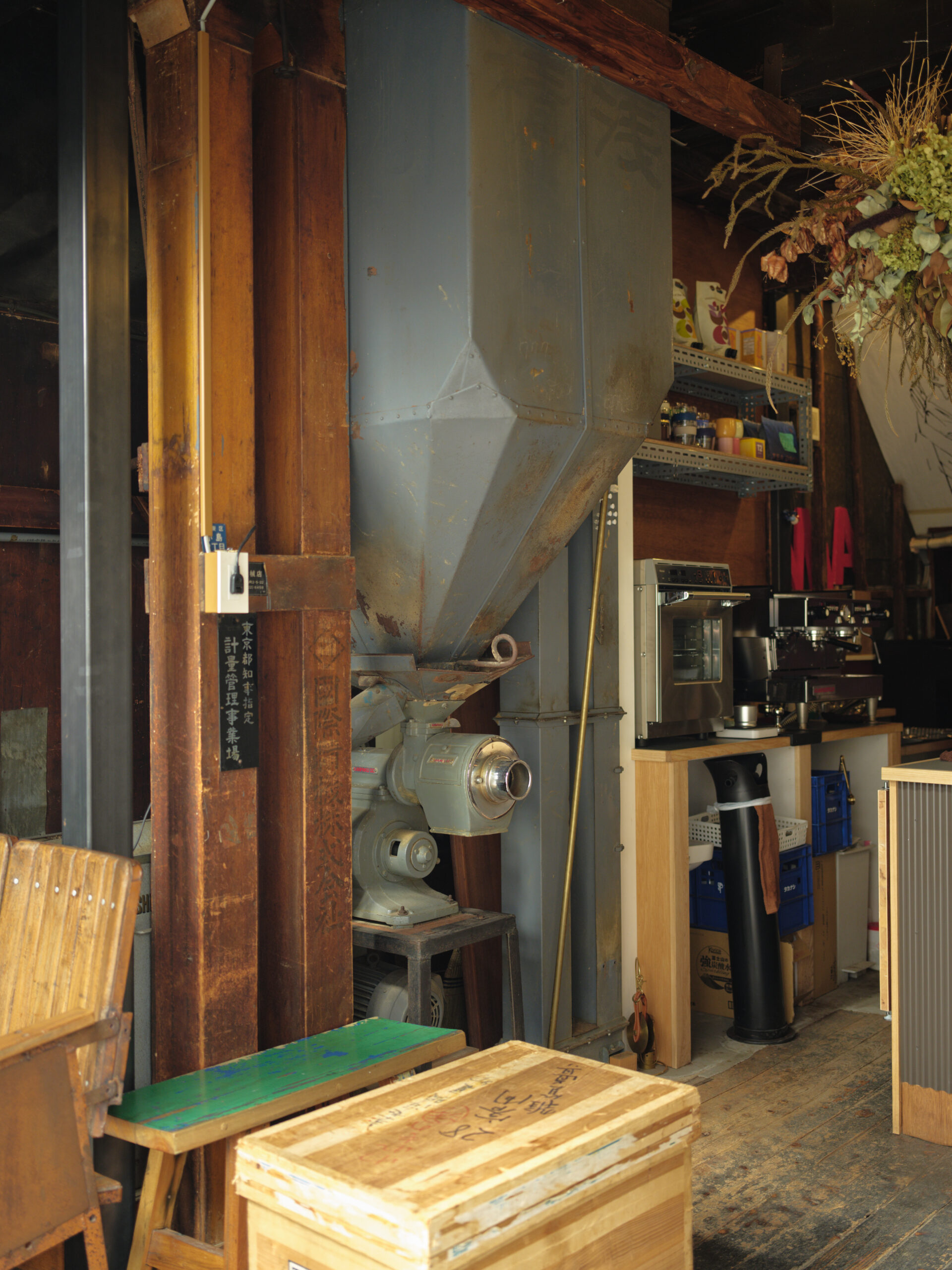
台東区小島。
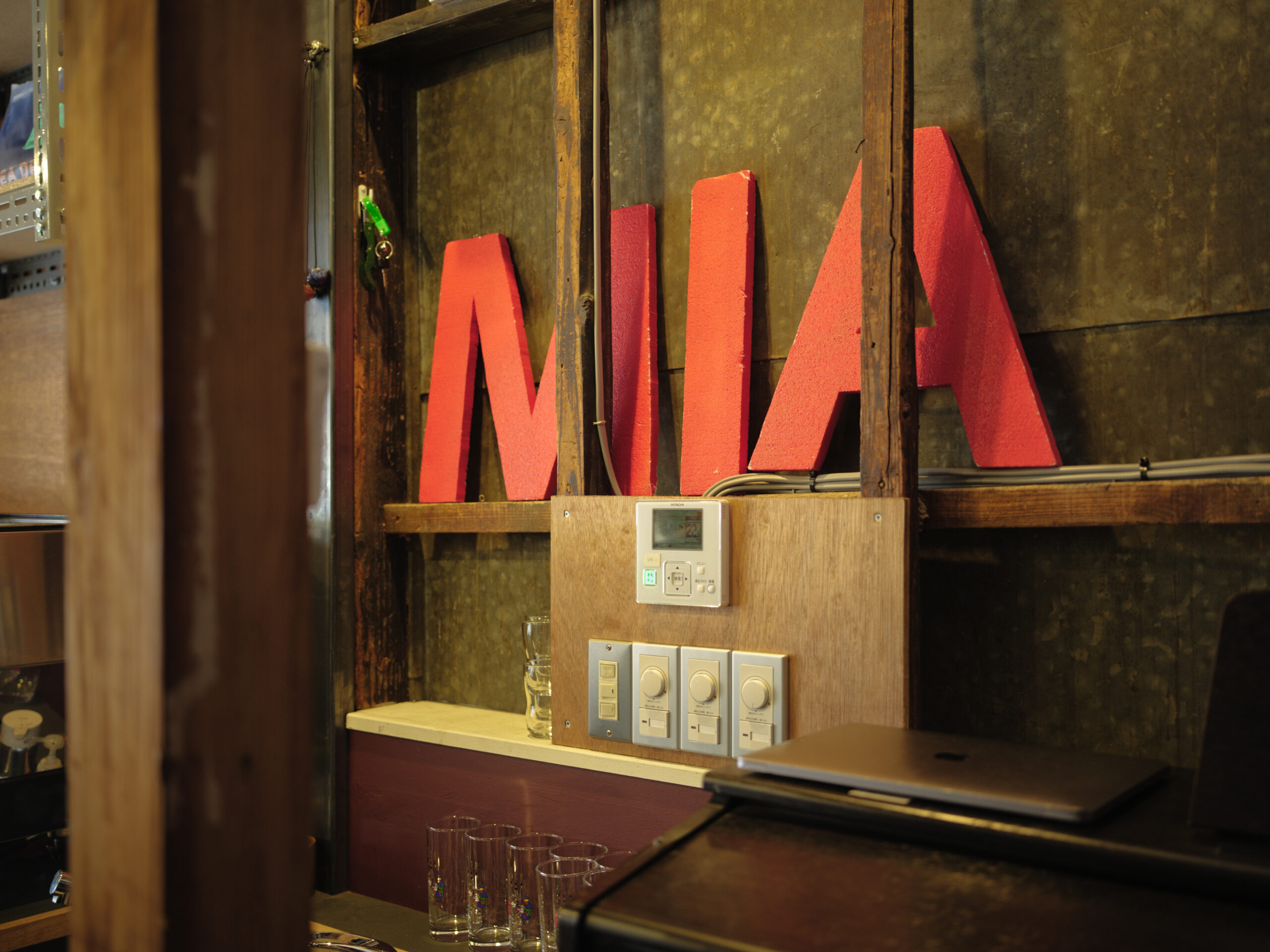
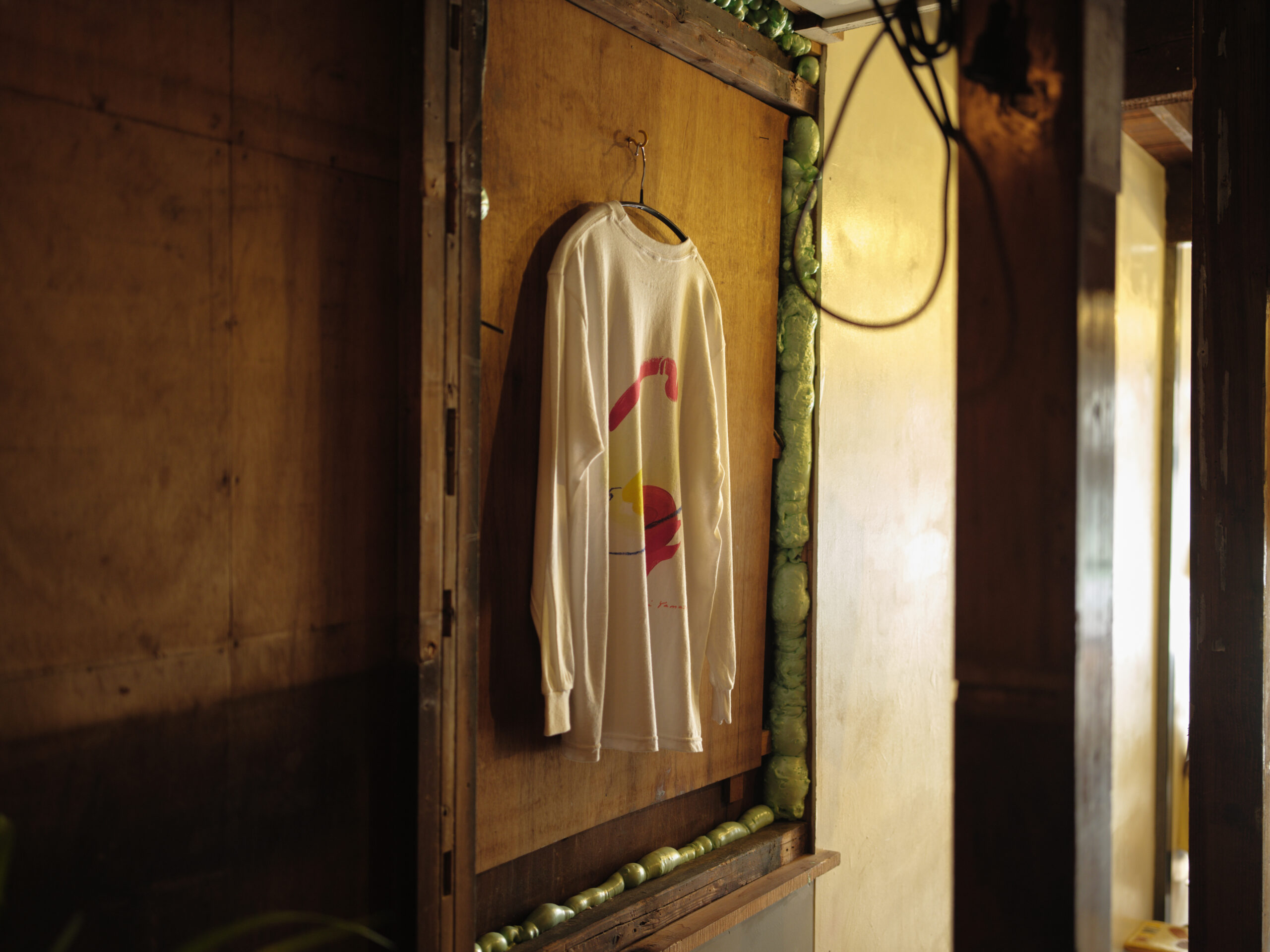
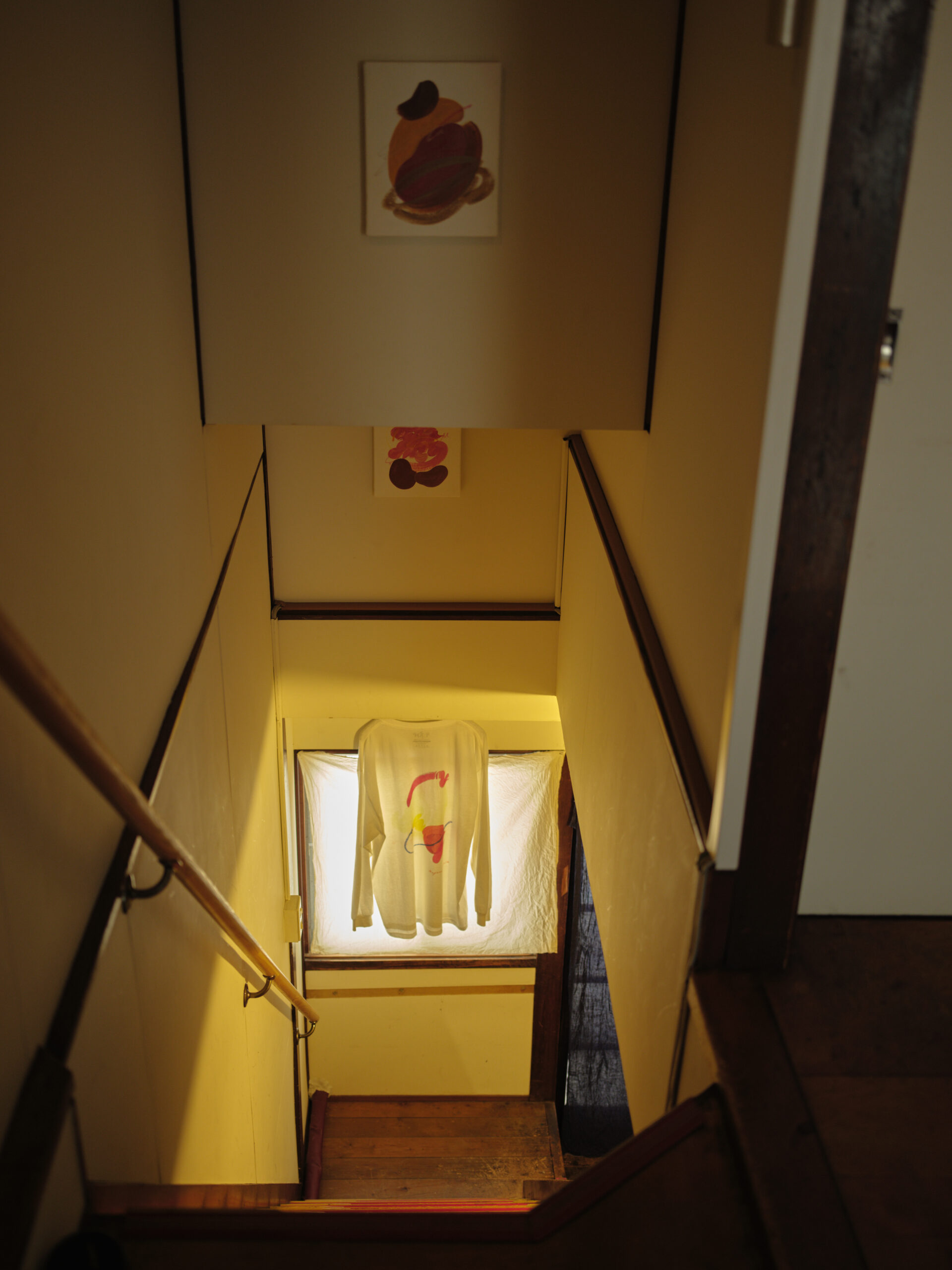
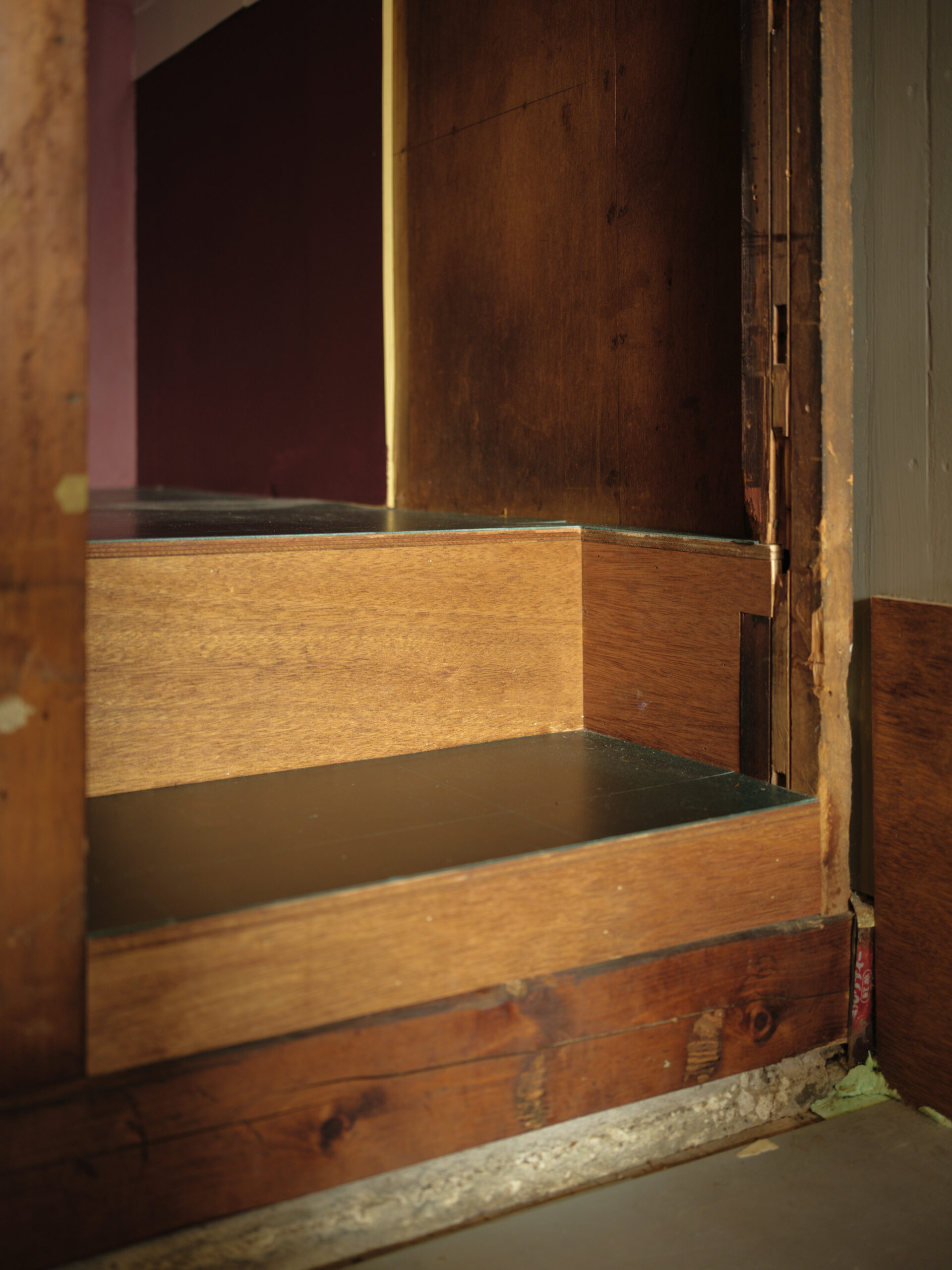
この建物は、1923年の関東大震災後、復旧用として米軍から支給された米松を用いて再建され、1945年の東京大空襲も逃れたという。以降100年以上にわたり、精米店を営む一家によって大切に維持されてきた。穴の空いた箇所を紅茶の缶やブリキ板で補修した跡、小さな増築、工夫された収納など、暮らしのなかから生まれた工夫が建物の随所に刻まれている。それらをできる限り残しつつ、新たな操作を注意深く重ねていった。
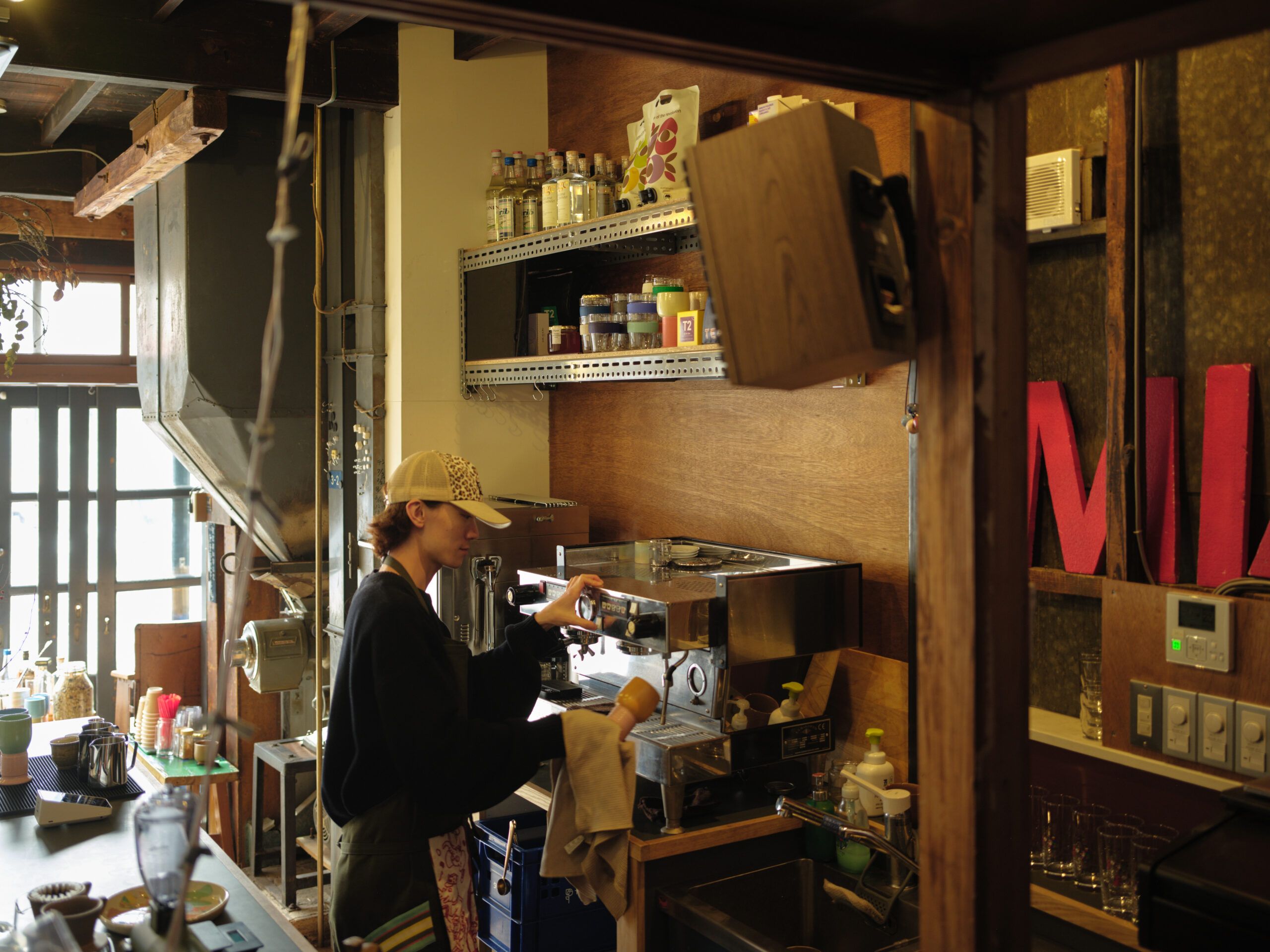
1階には、豊島区東長崎で2020年にオープンしたMIAMIAの2店舗目となるコーヒーショップが入る。大きな引き戸を開けると、中央に据えたカウンターを人が囲む構成。スタッフとお客さんの役割が固定されず、互いに動き、会話が自然に生まれる。1店舗目から続くコンセプトを受け継いだ空間である。
Kojima, Taito Ward.
This building was rebuilt using American pine supplied by the U.S. military for reconstruction after the 1923 Great Kanto Earthquake, and it survived the destruction of the 1945 Tokyo air raids. For over a century, it was carefully maintained by a family who operated a rice milling shop. Traces of everyday ingenuity appear throughout the house—patches where holes were repaired with layered tea tins and tin plates, small extensions, and improvised storage solutions. While preserving these lived-in details, we introduced new interventions with care and restraint.
The first floor now houses MIAMIA’s second coffee shop, following the first location that opened in Higashi-Nagasaki, Toshima Ward, in 2020. Opening the large sliding door reveals a layout centered around a single counter, around which people naturally gather. The relationship between serving and being served remains fluid, allowing both staff and customers to move freely and engage in conversation—an extension of the concept established at the first shop.
設計監理:ara (アリソン、森脇、成吉、法橋*、結城*)
施工:Packratworks
写真:Kohei Yamamoto
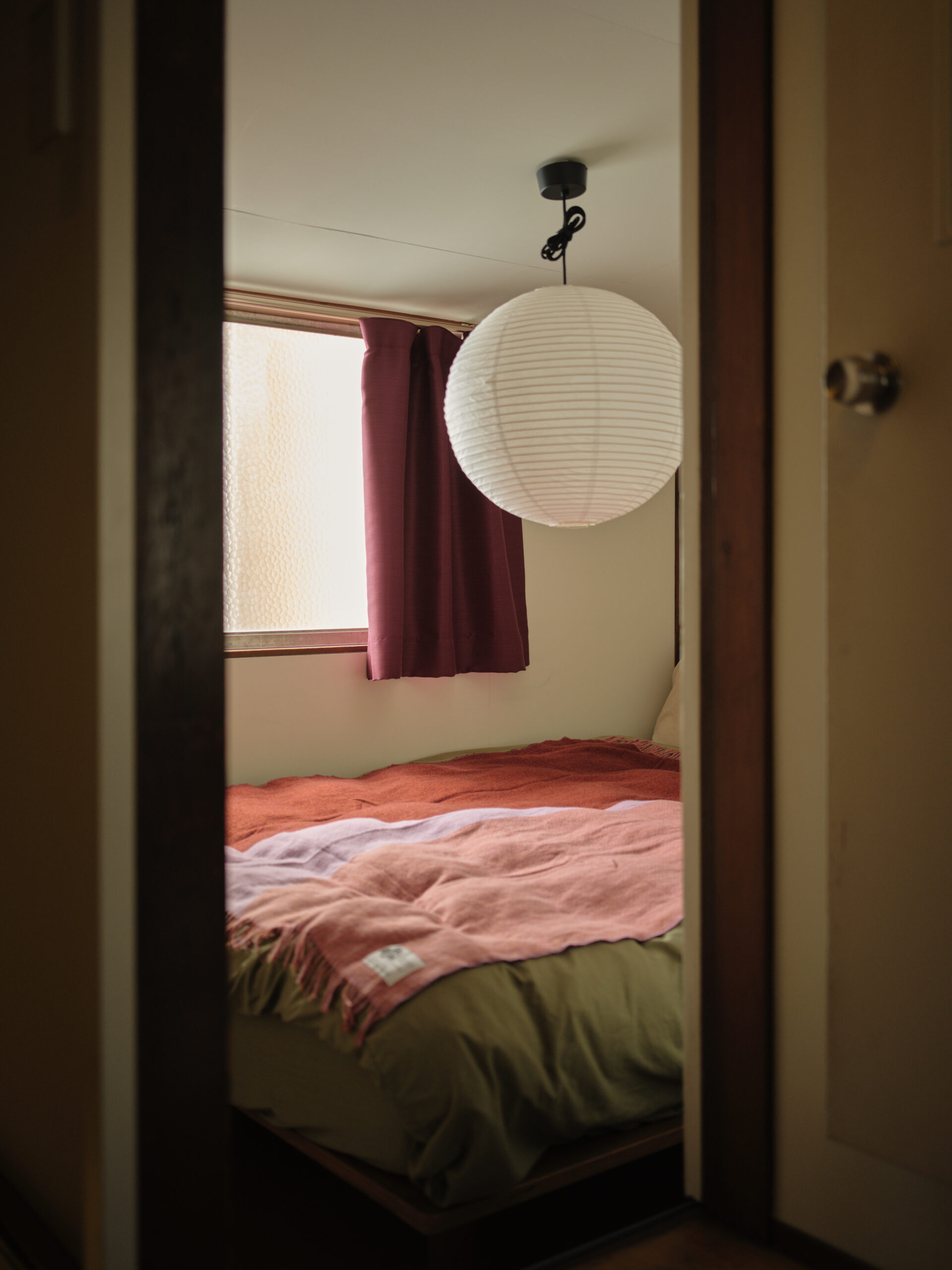
2・3階は一室ごとの宿泊スペースとした。
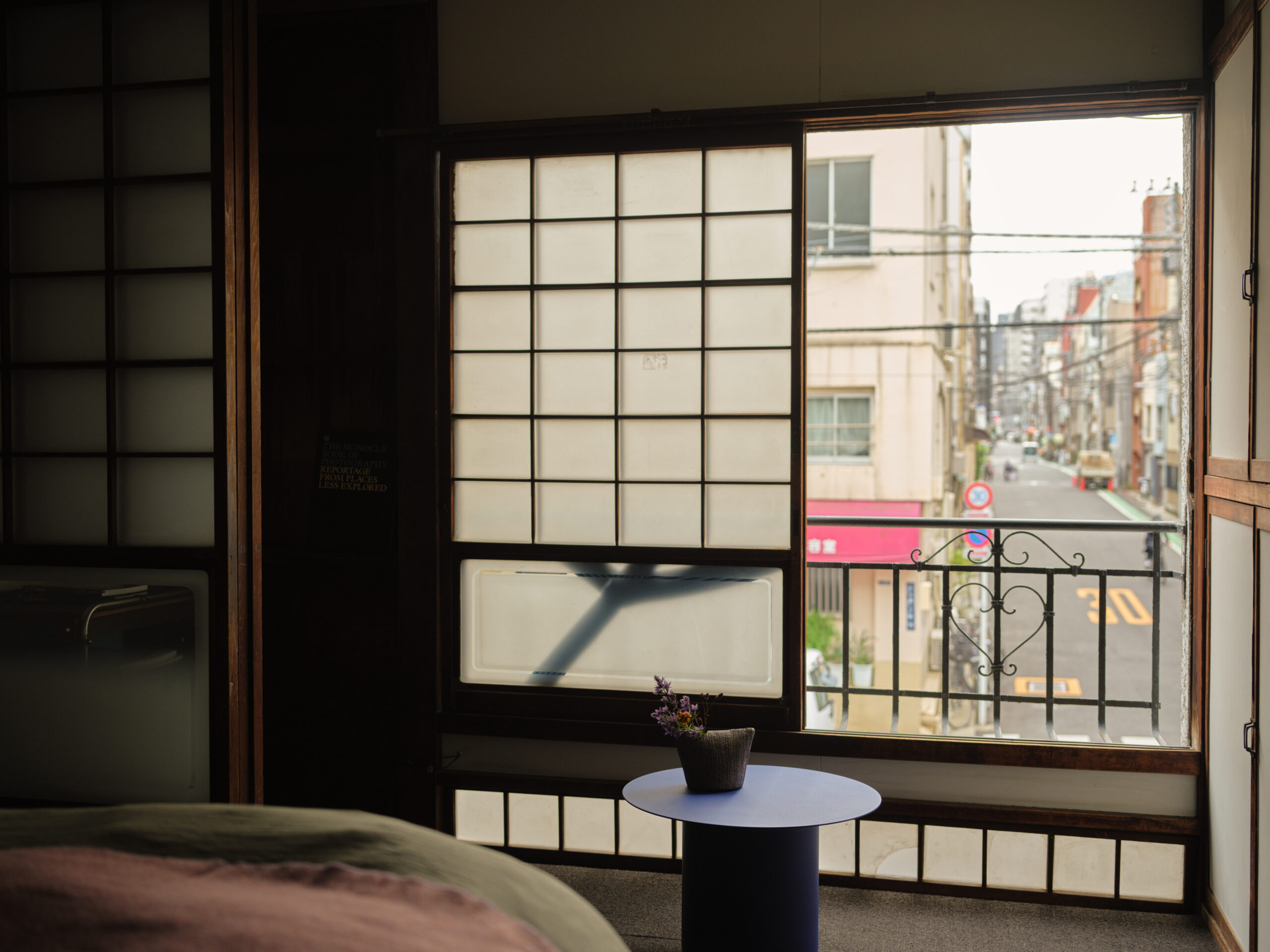
2階は、T字路の突き当たりという立地を生かし、窓を開けるとまるで街に投げ出されたような開放感を味わえるセミダブルのベッドルーム。
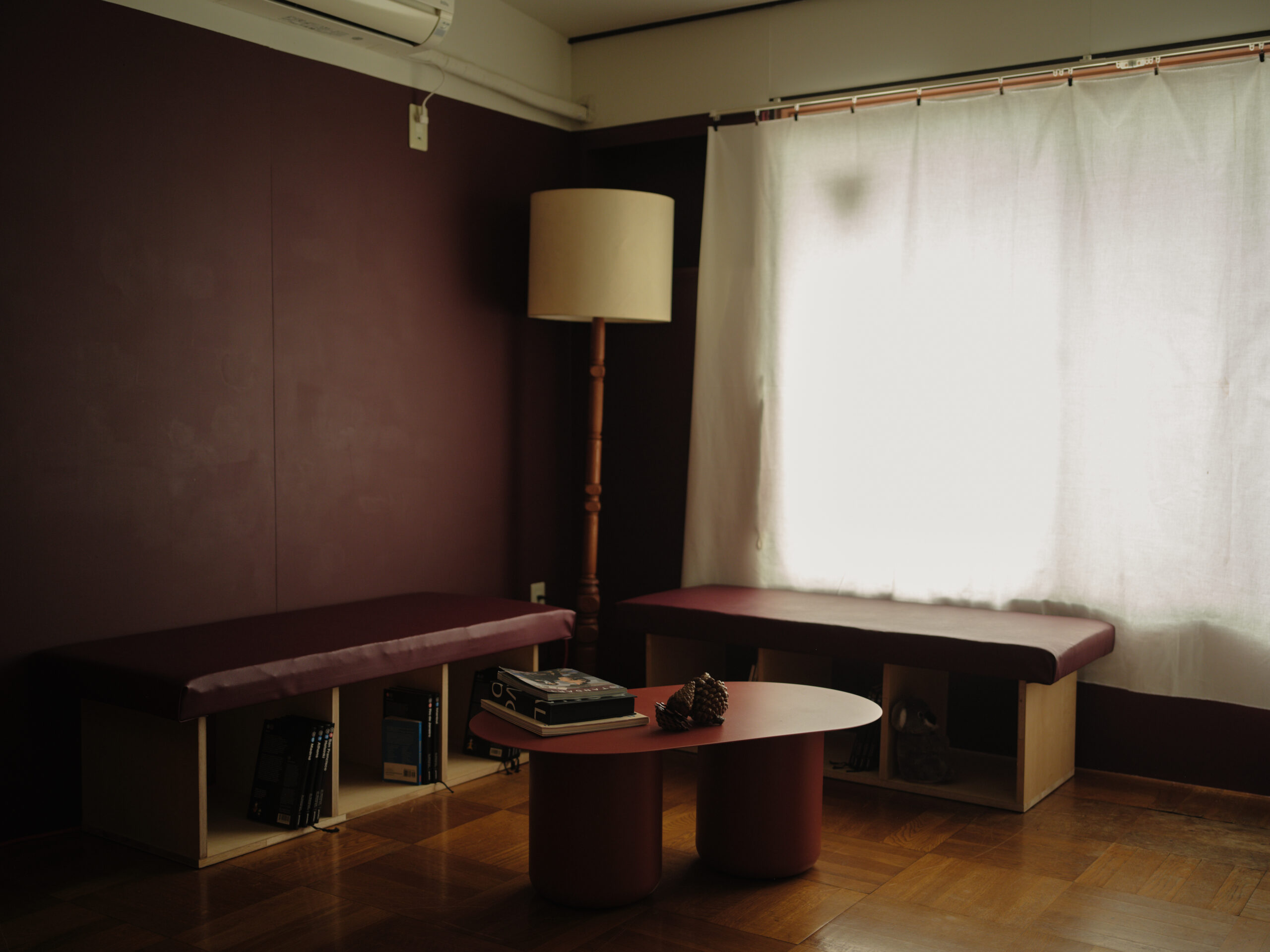
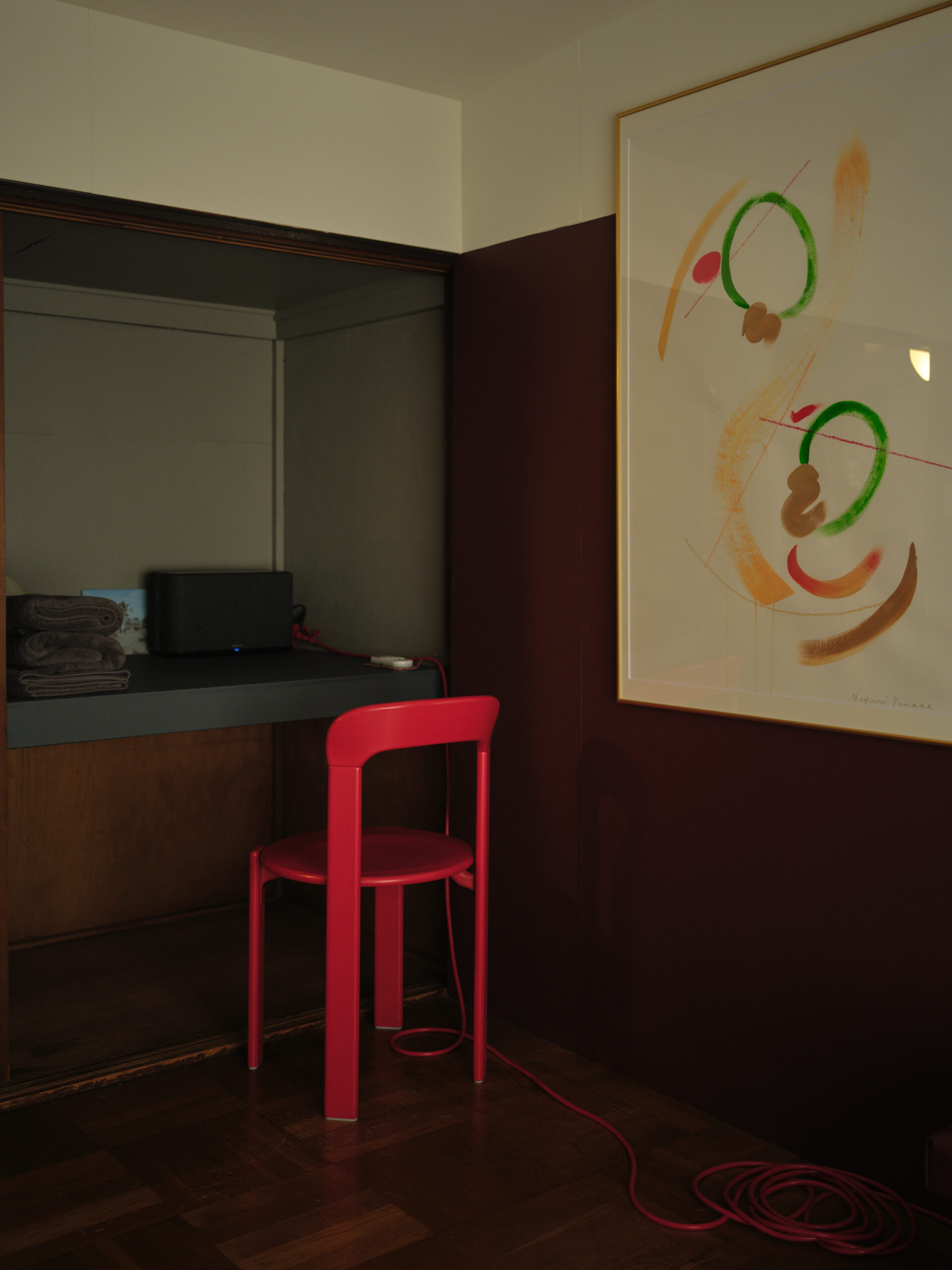
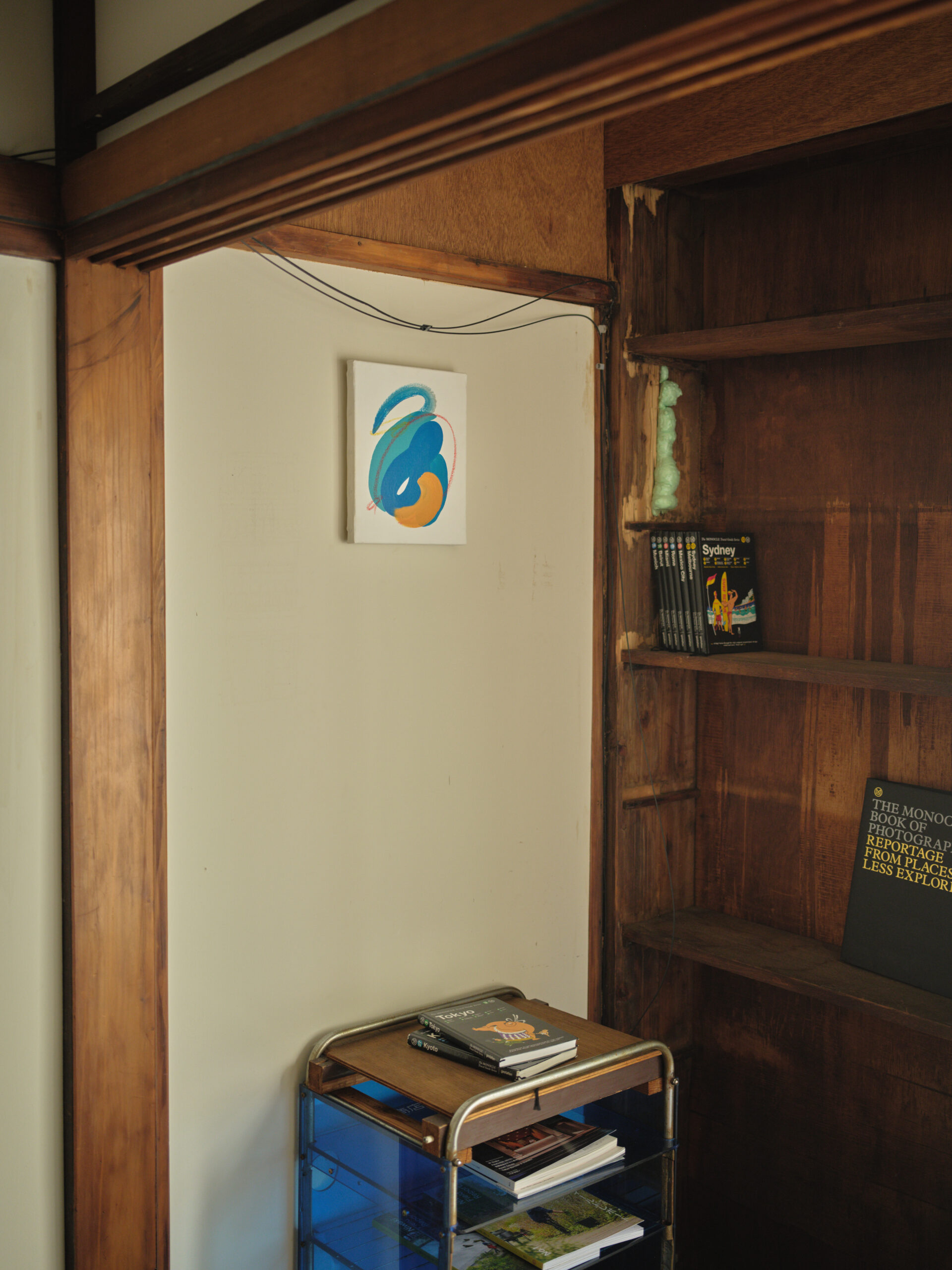
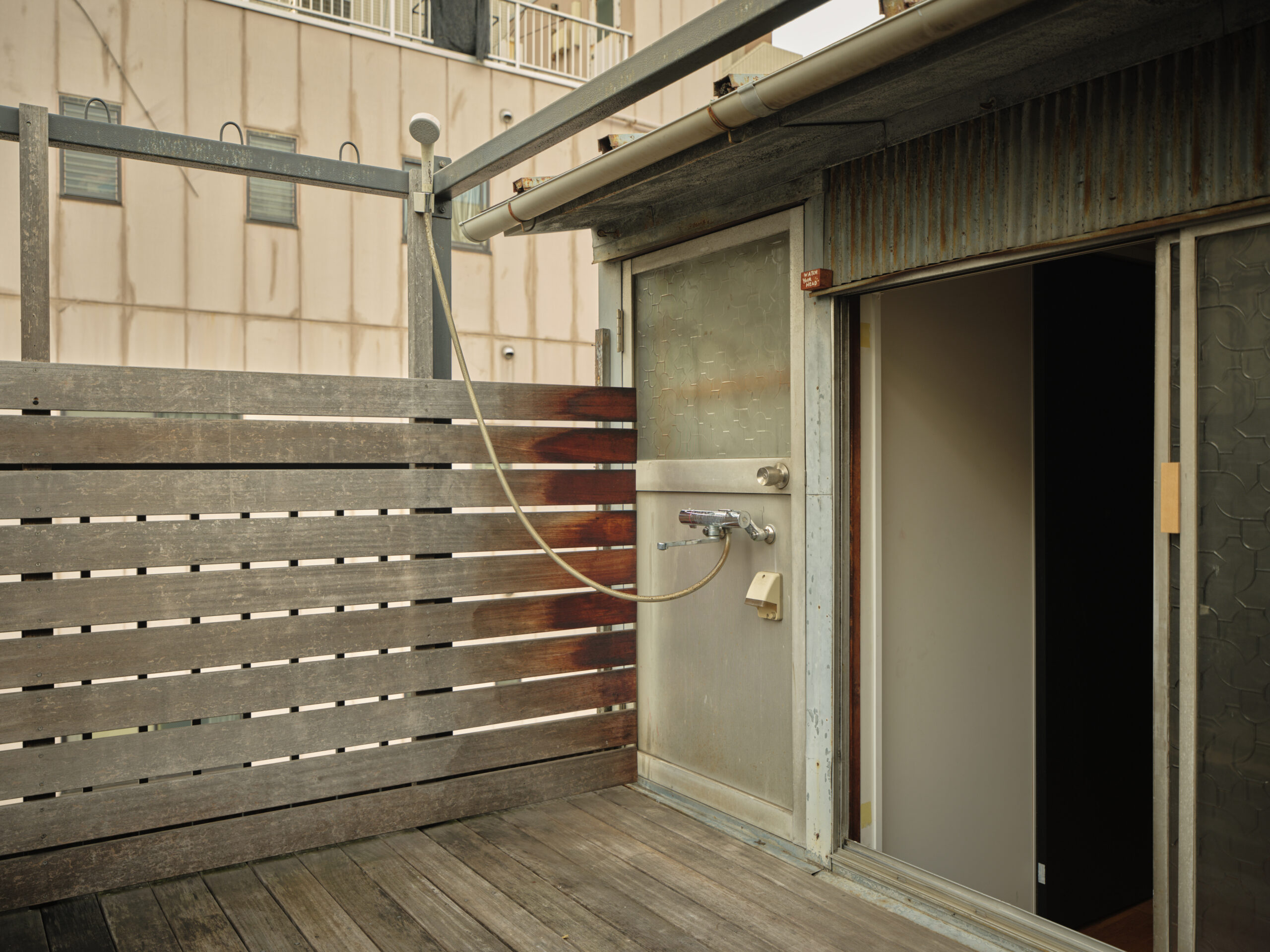
3階には、リビングと寝室、テラスを備えたスイートルームを設けている。革製品や木工、茶箱など、周辺に根づくものづくりの技術を参照しながら、町で繰り返し目にする素材やディテールを室内に取り込んだ。
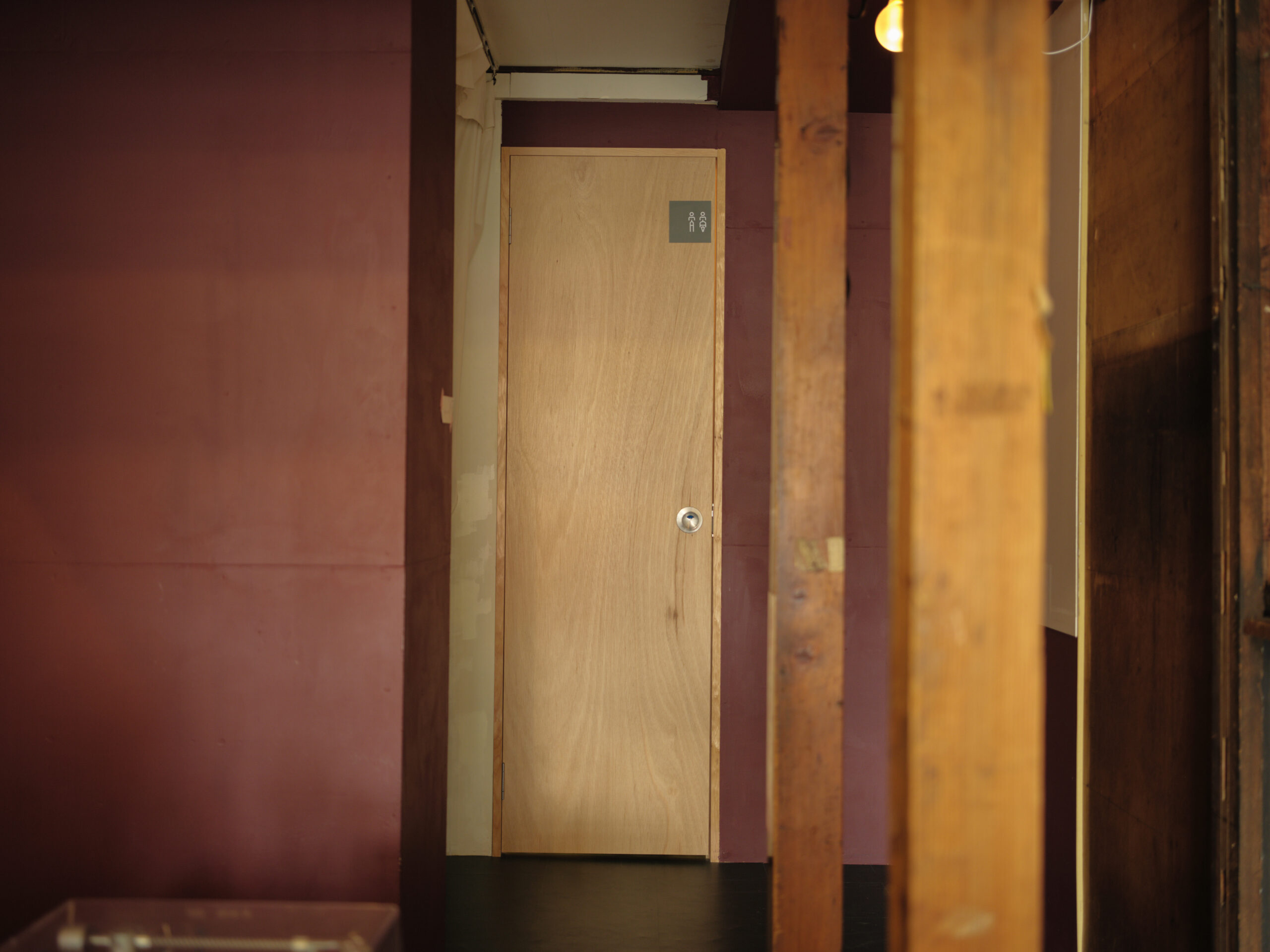
古い建物だからこそ現れる隙間や歪み、配線や配管といったふだん隠れている部分を、可能な限りそのまま見えるようにしている。建物は人の手でつくられるため完璧な幾何学ではなく、私たちと同じように歳を重ねていく。そして、自分たちの手で手入れを続けていける対象でもある。
そのことに気づくきっかけとなるようなデザインとしている。
The second and third floors each accommodate a single guest room.
The second-floor room features a semi-double bed and takes advantage of the building’s position at the end of a T-shaped street; opening the window creates a sense of being gently projected out into the city.
The third floor offers a suite with a living room, bedroom, and terrace.
Its interior incorporates materials and details commonly found in the neighborhood, drawing on local craftsmanship such as leatherwork, woodwork, and traditional tea caddies.
設計監理:ara (アリソン、森脇、成吉、法橋*、結城*)
施工:Packratworks
写真:Kohei Yamamoto